


Magan Charkha comes to you with impeccable credentials rooted in Gandhian philosophy, rural empowerment, and sustainable development. Our journey is deeply connected to India’s constructive movement — a movement that sought not only political freedom...
- maganorganic@gmail.com
- MAGAN SANGRAHALAYA SAMITI, NEAR MAGANWADI,, , Wardha, Maharashtra, India. 442001
© 2020 Magan Charkha. All Rights Reserved
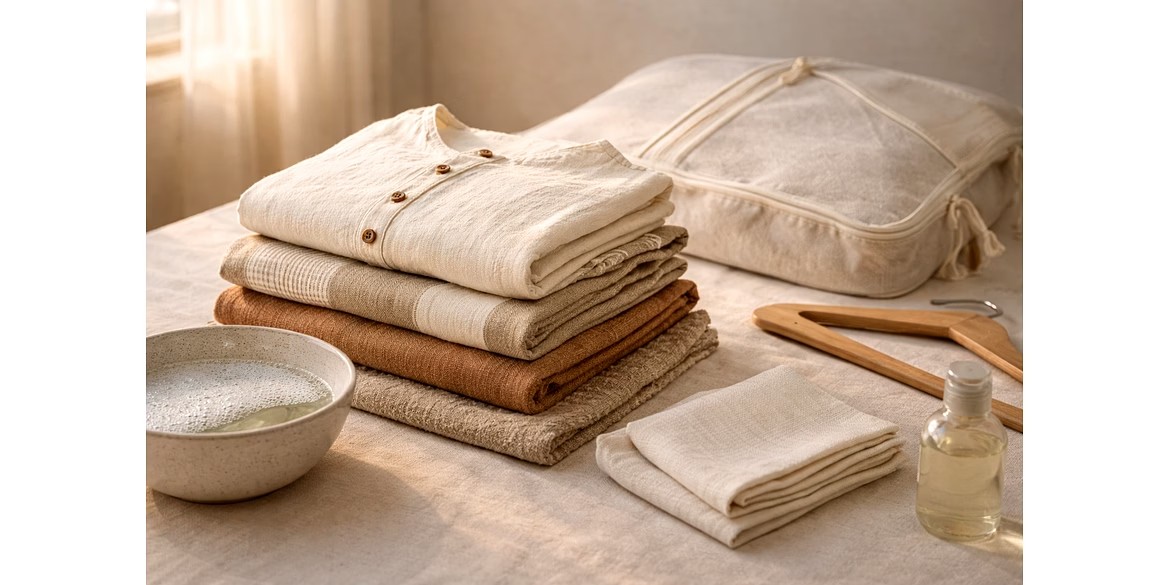

Caring for Your Khadi Clothes: Tips to Make Them Last Longer
Khadi is more than just fabric — it is handspun, handwoven heritage. Known for its breathability, comfort, and eco-friendly production process, khadi requires a little extra care compared to machine-made textiles. Because it is crafted manually and often dyed using natural processes, proper maintenance ensures your khadi garments remain soft, strong, and beautiful for years.
This practical khadi care guide covers washing, drying, ironing, stain removal, and storage tips to help you extend the life of your sustainable clothing.
Because khadi fibers are handspun and handwoven, they are naturally more delicate than factory-made fabrics. The safest way to wash khadi clothes is through gentle hand washing.
How to wash khadi properly:
• Use cold or lukewarm water (never hot water).
• Add a mild liquid detergent or natural soap.
• Avoid strong detergents, bleach, or harsh chemicals.
• Soak for no more than 10–15 minutes.
• Gently squeeze — do not twist or wring aggressively.
Machine washing is not recommended unless absolutely necessary. If you must use a washing machine, select a delicate cycle and place the garment inside a laundry bag for added protection.
Khadi often uses natural dyes and untreated fibers. Strong detergents, bleach, and fabric softeners can damage the fabric and reduce its lifespan.
Harsh chemicals may:
• Fade colors
• Weaken fibers
• Cause uneven texture
Instead, choose:
• Mild, pH-neutral detergents
• Natural soap solutions
• Eco-friendly laundry products
Using gentle cleaning solutions helps preserve both the color vibrancy and structural strength of your khadi fabric.
Drying plays a crucial role in maintaining khadi’s softness and texture. Because khadi is a natural, breathable fabric, it performs best when dried naturally.
Best drying practices:
• Always air dry.
• Hang garments in shade.
• Avoid direct sunlight for long hours, especially for dyed fabrics.
• Do not tumble dry.
Prolonged direct sunlight can make fibers brittle and fade colors over time. Drying indoors near a window or in a shaded outdoor space is ideal.
Khadi wrinkles naturally — and many people appreciate this authentic texture. However, if you prefer a crisp finish, careful ironing is key.
Ironing tips for khadi:
• Iron while slightly damp.
• Use medium heat (cotton setting).
• Place a thin cloth between the iron and garment.
• Steam ironing works well and maintains softness.
Avoid very high heat, as excessive temperatures may weaken handspun fibers over time.
Proper storage significantly extends the life of khadi garments. Since khadi is a natural textile, it needs ventilation and protection from moisture.
Storage best practices:
• Fold neatly instead of hanging heavy garments long-term.
• Store in a cool, dry place.
• Avoid plastic covers — use breathable cotton garment bags.
• Add neem leaves or lavender sachets to prevent insects.
Avoid damp storage areas to prevent mildew. Breathability is essential for maintaining the natural integrity of khadi fabric.
Acting quickly when stains occur helps prevent permanent damage to your khadi clothing.
If a stain occurs:
• Blot gently (do not rub).
• Use a mild soap solution.
• Wash promptly to prevent the stain from setting.
Quick and gentle treatment preserves the texture and color of handwoven khadi garments.
Khadi is sustainable because it is durable — but only when maintained properly. Thoughtful care helps preserve:
• Fabric strength
• Natural softness
• Color vibrancy
• Shape and texture
With mindful washing, drying, and storage, khadi garments can last many years — and often become softer and more comfortable over time.
1) How should I wash khadi clothes?
Khadi clothes should be washed gently by hand using cold or lukewarm water and mild detergent. Avoid harsh chemicals and do not wring aggressively.
2) Can khadi be machine washed?
It is best to hand wash khadi. If machine washing is necessary, use a delicate cycle and place the garment inside a laundry bag.
3) Should khadi be dried in sunlight?
Khadi should be air dried in shade. Prolonged direct sunlight can fade colors and weaken fibers.
4) Can I iron khadi fabric?
Yes. Iron on medium heat while the fabric is slightly damp. Steam ironing is also safe.
5) How do I store khadi garments?
Store folded in a cool, dry place. Use breathable cotton bags and avoid plastic covers to prevent moisture buildup.
6) Does khadi shrink after washing?
Khadi may shrink slightly during the first wash. Pre-washed khadi garments typically experience minimal shrinkage.
7) Why does khadi need special care?
Khadi is handspun and handwoven, making it more delicate than machine-made fabrics. Gentle care helps preserve its natural texture and durability.